


pauladdy539651
About pauladdy539651
Private Aircraft Flights: An In-Depth Research
Private aircraft flights have turn out to be an more and more widespread mode of transportation for individuals and businesses alike. This study report goals to provide a complete overview of the private aviation sector, analyzing its growth, advantages, challenges, and future tendencies.
Overview of Private Aircraft Flights
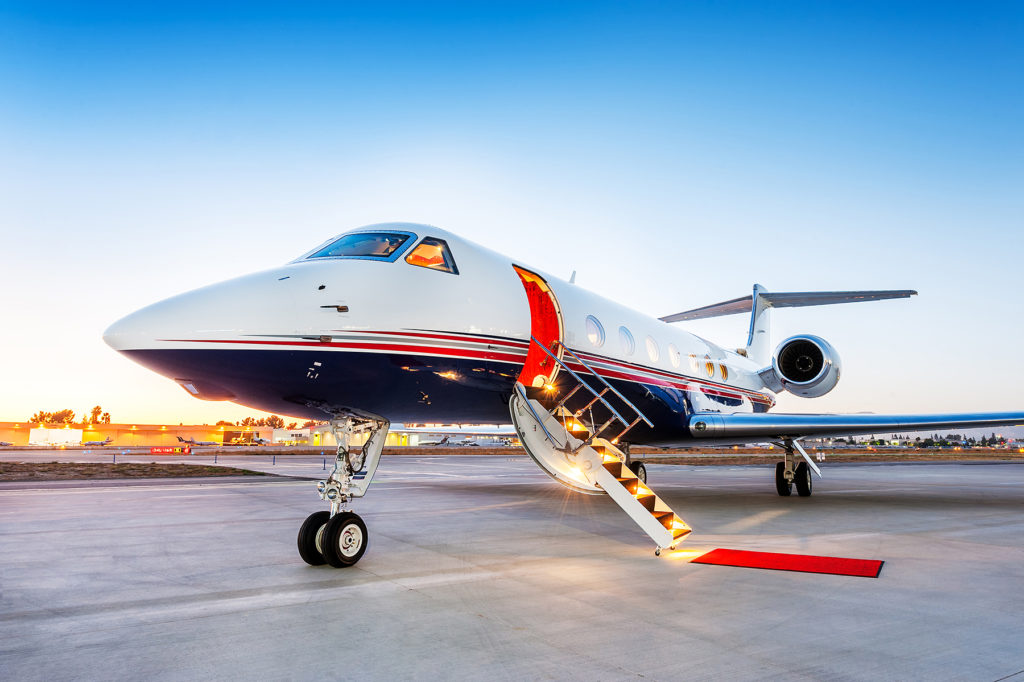
Private aircraft flights seek advice from the use of non-industrial airplanes for personal or enterprise journey. These flights are usually operated by private individuals, corporations, or charter firms, providing a stage of comfort, flexibility, and luxury that is often unmatched by commercial airlines. The private aviation market encompasses a variety of aircraft, including small jets, turboprops, helicopters, and bigger enterprise jets, catering to various needs and budgets.
Development of the Private Aviation Sector
The private aviation sector has witnessed significant development over the past two decades. According to the Nationwide Business Aviation Association (NBAA), the number of business jets in operation has elevated steadily, with approximately 22,000 jets registered within the United States alone. This progress will be attributed to several components:
- Elevated Demand for Flexibility: Enterprise leaders and excessive-internet-value people value the ability to journey on their schedule. Should you loved this information and you would love to receive more details relating to biggest private jet charter company (https://Privatejetscharter.review/) please visit the web-site. Private flights enable them to avoid the lengthy strains and delays related to commercial airports.
- Globalization of Enterprise: As businesses expand their operations internationally, the necessity for efficient journey options has risen. Private aircraft allow firms to reach distant places shortly and effectively.
- Technological Advancements: Modern aircraft are outfitted with advanced know-how that enhances security, effectivity, and consolation. Improvements resembling improved navigation programs and gas-efficient engines have made private flying more appealing.
- COVID-19 Pandemic: The pandemic considerably impacted the aviation trade, leading to a surge in private flight demand. Travelers sought safer alternate options to commercial airlines, resulting in elevated charter bookings and aircraft purchases.
Advantages of Private Aircraft Flights
Private aircraft flights supply numerous advantages that contribute to their rising popularity:
- Time Savings: One of many most important benefits of private flying is the time saved. Passengers can bypass long security strains, keep away from layovers, and fly directly to their destination, usually lowering travel time by a number of hours.
- Accessibility: Private jets can access smaller airports that might not be serviced by industrial airways, offering travelers with more options and convenience.
- Personalized Experience: Private flights allow for a tailored travel expertise. Passengers can choose their departure times, in-flight services, and even the aircraft kind, making certain a cushty and personalized journey.
- Privacy and Safety: For prime-profile individuals or executives, privacy is paramount. Private flights supply a safe setting the place passengers can conduct business or loosen up with out the prying eyes often present in commercial flights.
- Enhanced Productivity: The flexibility to work during a flight with out distractions can result in increased productiveness. Many private jets are outfitted with excessive-speed internet and meeting facilities, making them very best for enterprise journey.
Challenges Dealing with the Private Aviation Industry
Regardless of the various advantages, the private aviation sector faces a number of challenges that might influence its future development:
- Regulatory Hurdles: The private aviation business is topic to strict regulations that may vary by nation. Navigating these rules may be complicated and time-consuming, doubtlessly deterring new entrants into the market.
- Environmental Considerations: As world awareness of local weather change increases, the aviation business faces scrutiny concerning its carbon footprint. Private jets are sometimes criticized for their environmental impression, resulting in calls for extra sustainable practices and technologies.
- Economic Factors: The private aviation market is sensitive to financial fluctuations. Throughout financial downturns, businesses could minimize again on travel expenses, resulting in a decline in demand for private flights.
- Operational Costs: The costs associated with purchasing and maintaining a private aircraft can be substantial. Gasoline costs, insurance coverage, and upkeep can add up, making it essential for operators to handle these bills successfully.
Future Traits in Private Aircraft Flights
Because the private aviation industry continues to evolve, a number of tendencies are likely to shape its future:
- Sustainability Initiatives: The industry is increasingly focusing on sustainability, with manufacturers investing in additional fuel-environment friendly aircraft and exploring various fuels. The event of electric and hybrid aircraft can also be on the rise, aiming to reduce emissions and operating prices.
- Technological Innovations: Developments in aviation know-how, reminiscent of artificial intelligence and automation, are anticipated to reinforce safety and effectivity. Innovations in air visitors administration will even enhance the general flying expertise.
- On-Demand Services: The rise of on-demand charter companies and fractional ownership fashions is changing how people access private aviation. Corporations like JetSuite and Wheels Up are main the charge, providing flexible booking choices that cater to a wider audience.
- Increased Competition: As the demand for private flights grows, extra players are coming into the market, resulting in elevated competitors. This might lead to lower prices and improved services for consumers.
- Health and Safety Protocols: The COVID-19 pandemic has led to heightened well being and safety issues. The trade must proceed to adapt by implementing rigorous cleansing protocols and guaranteeing passenger security to keep up belief and confidence.
Conclusion
Private aircraft flights signify a big section of the aviation business, offering unparalleled comfort, flexibility, and luxurious. As the sector continues to develop, it should navigate numerous challenges, including regulatory hurdles and environmental issues. By embracing sustainability and technological developments, the private aviation trade can place itself for a profitable and responsible future. The continued evolution of private aircraft flights will undoubtedly shape the panorama of air journey for years to come, offering valuable insights for stakeholders and shoppers alike.
No listing found.